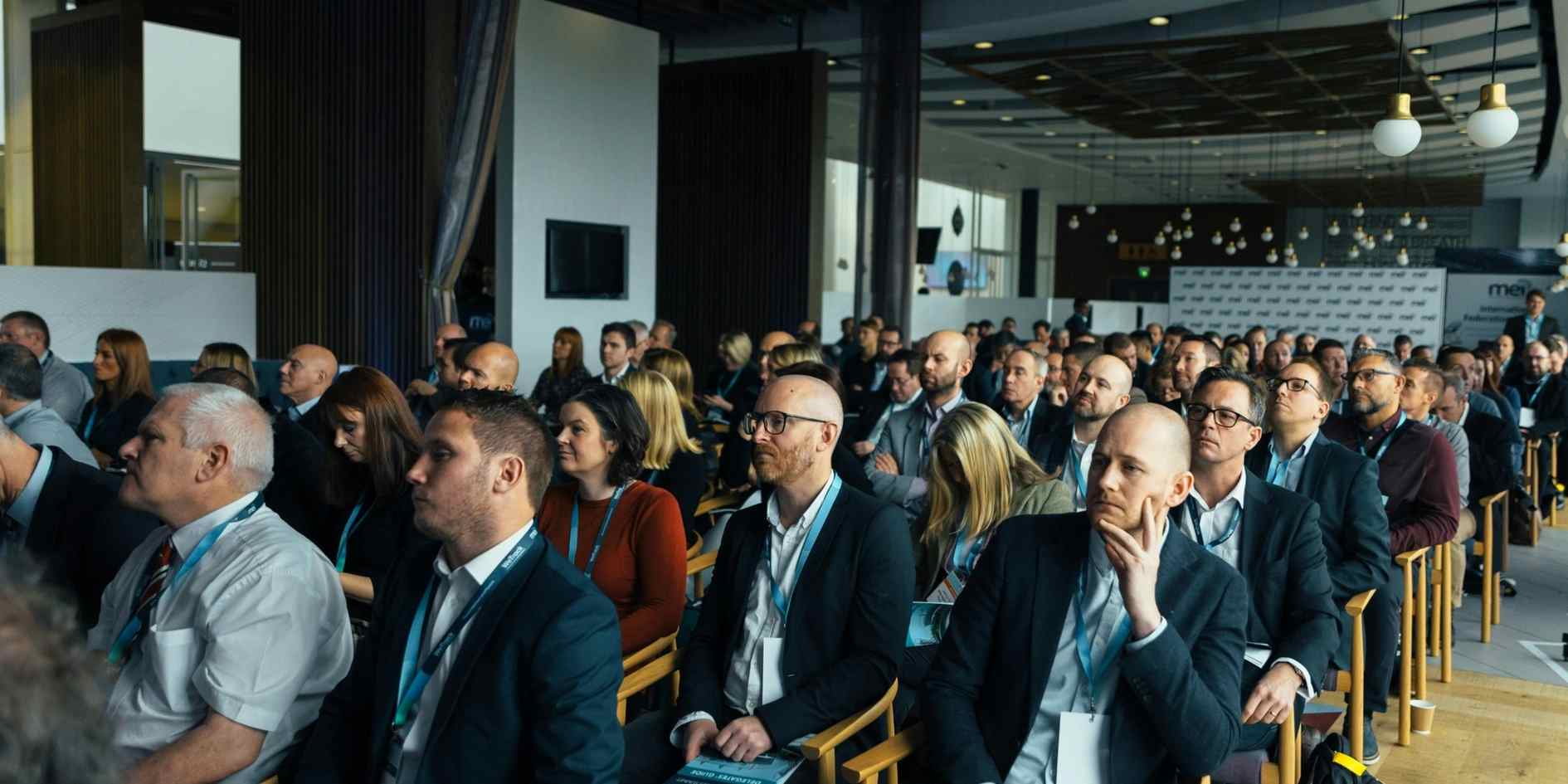
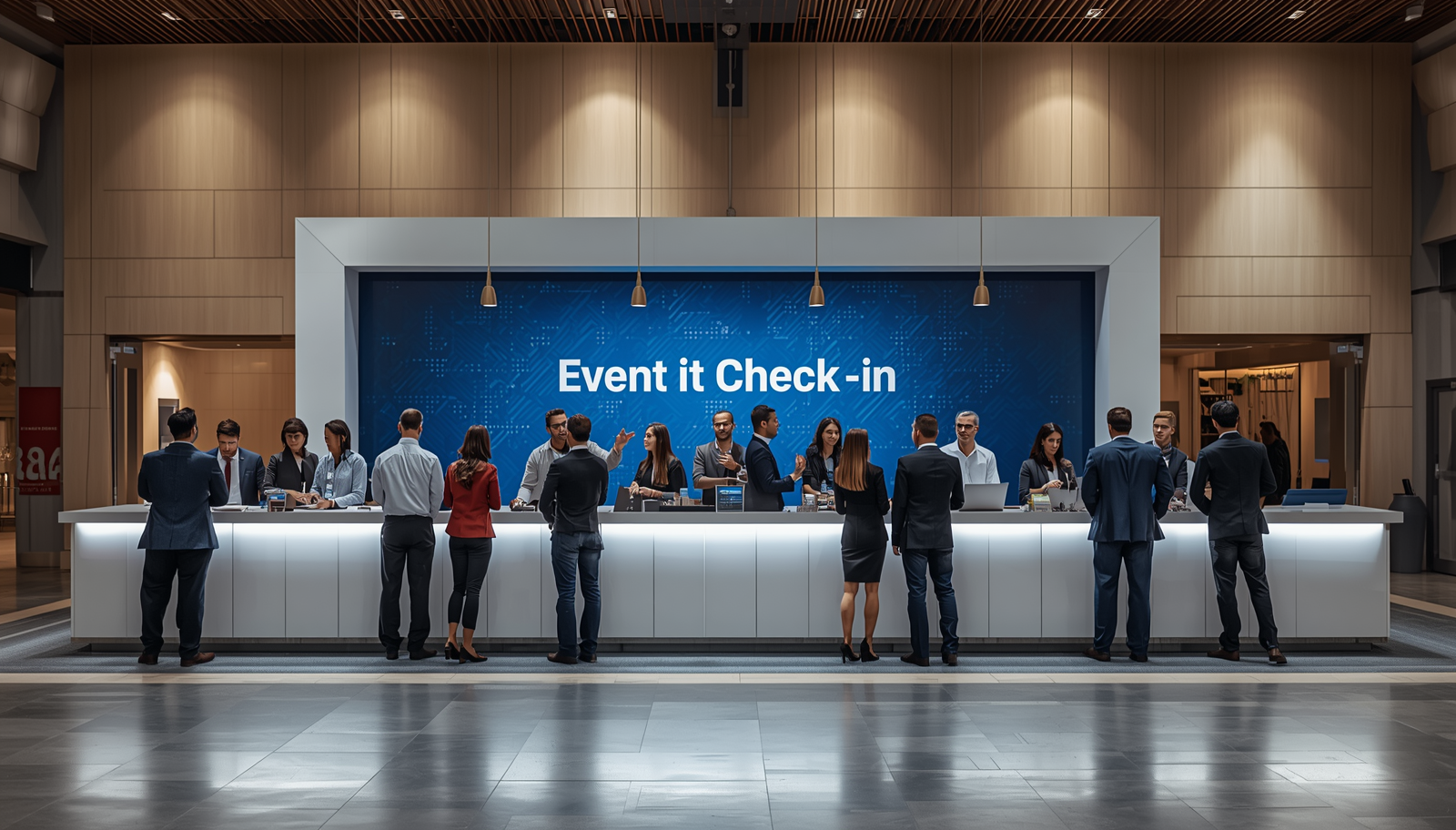
The moment an attendee walks through the venue doors, their event experience begins. A fast, well-organised arrival creates confidence straight away. Long queues, unclear directions, or slow technology do the opposite. That is why your onsite registration and badging setup is much more than a logistical detail. It is one of the first real signals attendees get about how well the event is being run.
A strong onsite check-in process affects far more than the queue at the entrance. It influences staffing pressure, shapes first impressions, supports sponsor visibility, and helps your team manage peak arrival periods without unnecessary stress. When supported by a reliable delegate registration system, the check-in journey becomes smoother before the event has even started.
Here are seven practical ways to improve event onsite check-in and badge collection, while also creating a more professional, branded, and sustainable arrival experience.
Tip 1: Brand Your Kiosks To Create Sponsorship Revenue Opportunities
Event check-in kiosks are usually among the first physical touchpoints attendees see, which makes them a valuable branding asset. Every guest passes through this area, so it offers sponsors guaranteed visibility at a high-traffic moment in the attendee journey. That gives you a strong commercial opportunity that goes beyond standard signage deeper in the venue.
Sponsors can benefit from check-in visibility in several ways. You might offer logo placement on kiosk wraps, branded welcome screens, co-branded lanyards, or messaging around the badge collection area. Because this branding appears at the start of the day, it can help associate the sponsor with a smooth and well-managed event experience.
The key is to make sponsorship visible without getting in the way of usability. Branding should sit around the unit rather than covering the scanner, badge output, or on-screen instructions. If done well, branded kiosks can add sponsor value while still keeping the attendee experience clear and efficient.
Tip 2: Use The Best Kiosk Units For Speed And Reliability
The hardware behind your check-in process has a direct impact on queue times and attendee satisfaction. Modern kiosk units should be responsive, easy to use, and designed for busy live environments. Fast barcode scanning, stable touchscreens, and a practical footprint all matter when large numbers of people are arriving at once.
Poor hardware creates friction very quickly. If a scanner struggles to read phone screens or a touchscreen lags, a few extra seconds are added to every check-in. Across hundreds or thousands of attendees, that delay becomes a serious bottleneck. Recent reporting on the latest trends in event registration also reflects how much organisers now prioritise speed, design, and smooth throughput in the registration area.
Purpose-built kiosks help keep people moving. Fast badge printing, clear status indicators, and intuitive self-service flows can dramatically improve arrival times. Choosing the right units is one of the most effective ways to prevent unnecessary congestion during peak check-in windows.
Tip 3: Work With A Specialist Provider Rather Than A General Supplier
A general technology supplier may understand hardware, but live events bring a different set of pressures. Arrival surges, last-minute delegate changes, venue constraints, badge reprints, and connectivity issues all need to be anticipated in real time. A specialist partner with experience in attendee management is far more likely to understand those pressures before they become problems onsite.
Specialist providers also bring stronger operational support. They can help plan the registration layout, recommend the right staffing model, and put sensible backup processes in place. That matters because event day rarely unfolds exactly as planned, and the teams supporting check-in need to respond quickly when something changes.
It is also important to think about data handling. Registration and badge collection involve attendee information, so your provider should understand how personal data is managed across systems, badge printing, and support workflows. When evaluating suppliers, ask about contingency planning, technical support, and experience with events similar to your own.
Tip 4: Do Not Rely On Self-Service Alone; Use A Staffed Solution Too
Self-service kiosks are excellent for speeding up standard arrivals, but they should not be your only line of support. Some attendees will always need help with name changes, missing confirmations, access questions, VIP handling, or ticket issues. If there is no staffed option available, even a small number of exceptions can create avoidable delays.
A hybrid model usually works best. Let most attendees move through kiosks quickly, while a separate staffed desk handles exceptions and support queries. This keeps the main flow moving and gives people reassurance when they need a human point of contact. It also matters from an inclusion perspective. Research on the accessibility gap in events shows that many attendees still face barriers that technology alone does not solve.
A staffed solution can also reduce pressure on your internal team. Instead of pulling core staff away from speaker management, sponsor care, or live delivery, you can use experienced registration support and free your own people to focus on the broader event. That leaves more room to support VIP activity, content delivery, and even live event marketing and communications throughout the day.
Tip 5: Make Sure Event Badges Are Fully Sustainable
Badges are one of the most visible physical outputs at any event, so they are an obvious place to improve sustainability. Traditional plastic badge holders and single-use materials can create a large amount of waste, especially at scale. Choosing more sustainable badge options is a practical way to align the check-in process with a wider sustainability strategy.
There are now plenty of better options available, including recyclable paper-based badges, recycled card stock, and lanyards made from lower-impact materials. Reuse and collection points can also make a real difference, especially if attendees are encouraged to return badge materials before leaving the venue. For teams building a broader ESG plan, AEO’s sustainability resources for event organisers are a useful reference point, and isla offers more practical guidance on sustainable events for organisers that want to make measurable progress.
This can also be communicated more clearly to attendees. A short note on the badge, collection signage, or pre-event messaging can explain the material choice and encourage responsible disposal or reuse. You can even reinforce the message by sharing responsible delegate guidance before the event so sustainability is built into the attendee journey from the start.
Tip 6: Use A Professional To Get The Badge Design Right
Badge design is often underestimated, but it plays an important role in both branding and operations. A badge needs to look professional, but it also has to function well in real event conditions. If names are hard to read, ticket types are unclear, or QR codes are badly placed, the badge becomes a source of friction rather than a support tool.
One of the most common mistakes is trying to fit too much onto the badge. Overloaded layouts, small text, and weak contrast make networking harder and slow down access control. Sponsors also need to be handled carefully so branding does not crowd out the attendee information that matters most.
A professionally designed badge should establish a clear hierarchy. The attendee name should be easy to read at a glance, with company name and role placed logically beneath it. Ticket type indicators, QR code placement, and sponsor branding all need to work together. When the badge is designed properly, it supports smoother networking, faster scanning, and a more polished first impression.
Tip 7: Test The Full Onsite Check-In Journey Before Event Day
Even the best system can fail if it has not been tested properly in the actual event environment. A full rehearsal should cover kiosks, printers, badge stock, staffing workflows, connectivity, and helpdesk scenarios. It is one of the simplest ways to avoid problems that only become obvious once attendees start arriving.
Testing should go beyond whether the technology turns on. Check scanning speed in real lighting conditions, confirm printer alignment, rehearse walk-up registrations, and make sure staff know how to handle common exceptions. A strong arrival process also contributes to the wider wellness of delegates, because a calm, efficient start reduces stress and helps attendees settle into the event more comfortably.
A simple run-through before event day can reveal issues that would otherwise slow the whole process down. That might include poor kiosk placement, glare on phone screens, unclear queue routing, or badge print calibration problems. Solving those details early is far easier than fixing them when the lobby is already full.
Better Onsite Check-In Creates A Better Event From The Start!
A strong onsite check-in experience is built from several moving parts working together: reliable kiosks, sensible staffing, smart sponsorship use, sustainable materials, and badge design that supports both branding and practicality. When those elements are planned properly, the arrival experience feels faster, calmer, and more professional for everyone involved.
For event teams, that means fewer bottlenecks, lower operational stress, and a better first impression for attendees, exhibitors, speakers, and sponsors alike. Talk to a specialist about building a faster, more branded, and more sustainable onsite check-in experience for your next event.
Frequently Asked Questions
How Can I Make Onsite Check-In Faster?
You can speed up onsite check-in by using reliable kiosks, clear badge design, trained support staff, and full pre-event testing.
Are Self-Service Kiosks Enough For Event Check-In?
Not always. Self-service kiosks help reduce queues, but many events still need staffed support for troubleshooting, VIP guests, and attendees with special requests.
What Should I Look For In An Event Check-In Provider?
Look for a specialist provider with event experience, dependable hardware, onsite support, badge printing expertise, and backup plans for live-event issues.
Why Does Badge Design Matter For Onsite Check-In?
Good badge design improves readability, speeds up access control, supports branding, and helps attendees network more easily.
How Can Event Badges Be More Sustainable?
Choose recyclable or lower-waste materials, reduce unnecessary print waste, and work with providers that offer more sustainable production options.