Recent industry data reveals a compelling reality: 80% of event managers report that hybrid events deliver greater reach and engagement than any other format. Yet, the path to achieving these results is rarely straightforward. Delivering a successful dual-audience experience requires far more than just switching on a camera or buying a software licence.
A full-service hybrid event company operates differently from a standard platform provider, a standalone audio-visual supplier, or a traditional venue. Instead of treating the physical and digital elements as separate problems to solve, a full-service partner integrates them. The core argument is simple. Delivering an exceptional hybrid event requires production, technology, and logistics to work as one integrated operation, not three separate vendors operating in isolation.
This post explores the operational realities of hybrid delivery. You will learn what a full-service provider actually does, how production and technology must align, and the logistics required behind the scenes. Finally, it outlines why organisations increasingly choose one accountable partner to manage the entire process, alongside what to look for when making that choice.
What Does A Full-Service Hybrid Event Company Actually Do?
Most organisations know they need a hybrid event, but fewer know what to look for in the company they choose to deliver it. This section defines the full-service difference and why it matters for your overarching event strategy.
Platform Provider Vs. Full-Service Partner
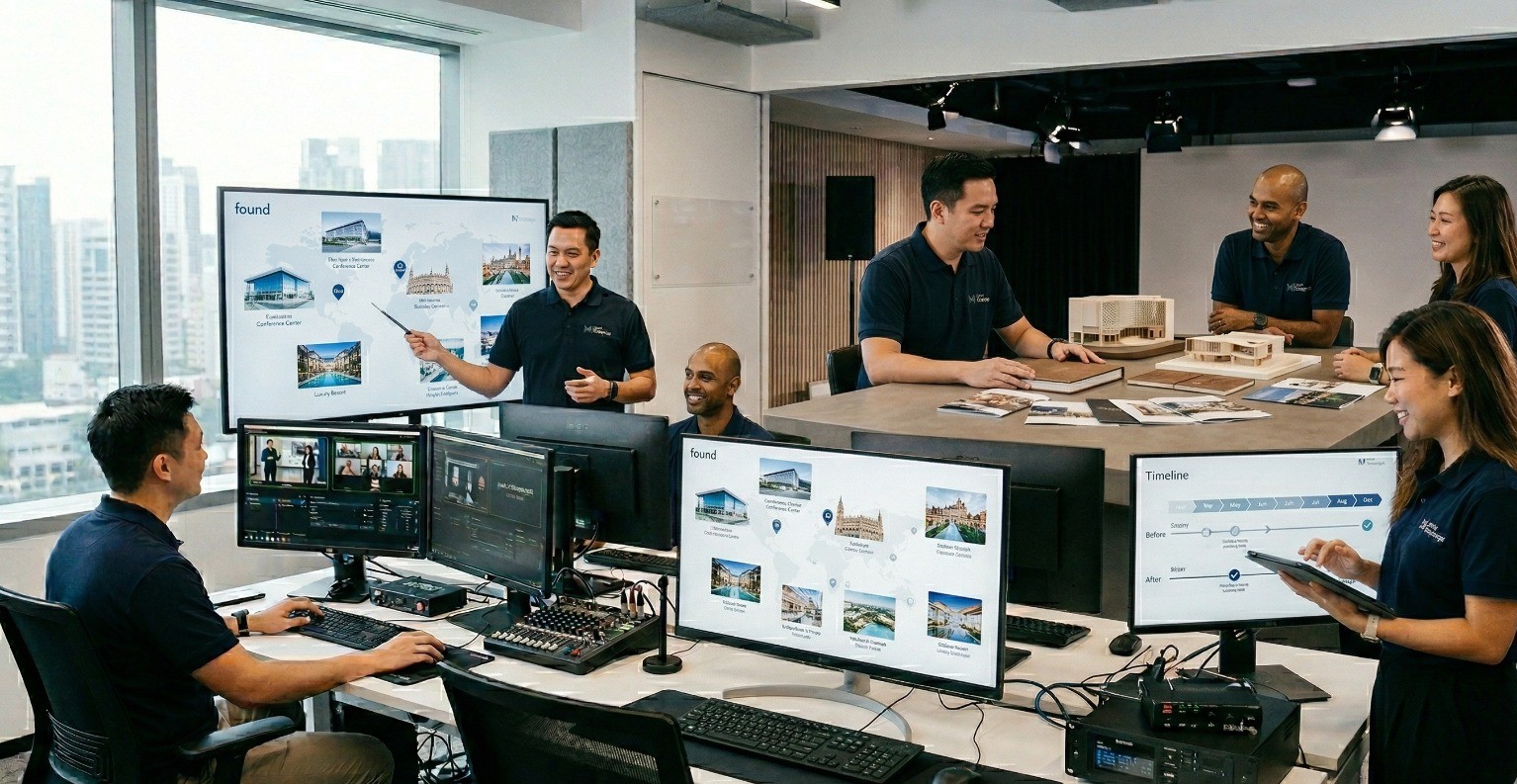
A platform provider simply sells software. They grant you access to a digital environment, but the responsibility for strategy, staffing, technology configuration, and live execution remains firmly on your shoulders. Conversely, a full-service hybrid event company provides the strategy, the people, the technology, and the on-the-day execution. Assembling multiple disconnected vendors creates significant risk. When the audio-visual team does not communicate with the software vendor, technical failures become almost inevitable. Working with one accountable partner removes these friction points. An end-to-end model, like the one outlined on our Virtual & Hybrid services page, ensures every technical and physical element is managed under a single unified strategy.
The Three Pillars: Production, Tech, And Logistics
Successful event delivery rests on three core pillars that must be planned and managed in tandem. The first pillar is production, which encompasses audio-visual equipment, staging, and broadcast streaming. The second pillar is technology, covering the event platform, registration systems, and mobile applications. The final pillar is logistics, dealing with venue selection, attendee flow, and onsite operations. When these three areas operate in silos, the attendee experiences fractures. A virtual delegate might struggle to hear a presentation, or an in-person attendee might miss out on digital networking. A full-service approach ensures these three pillars are synchronised long before the doors open.
Hybrid Event Production: Building A Seamless Dual Experience
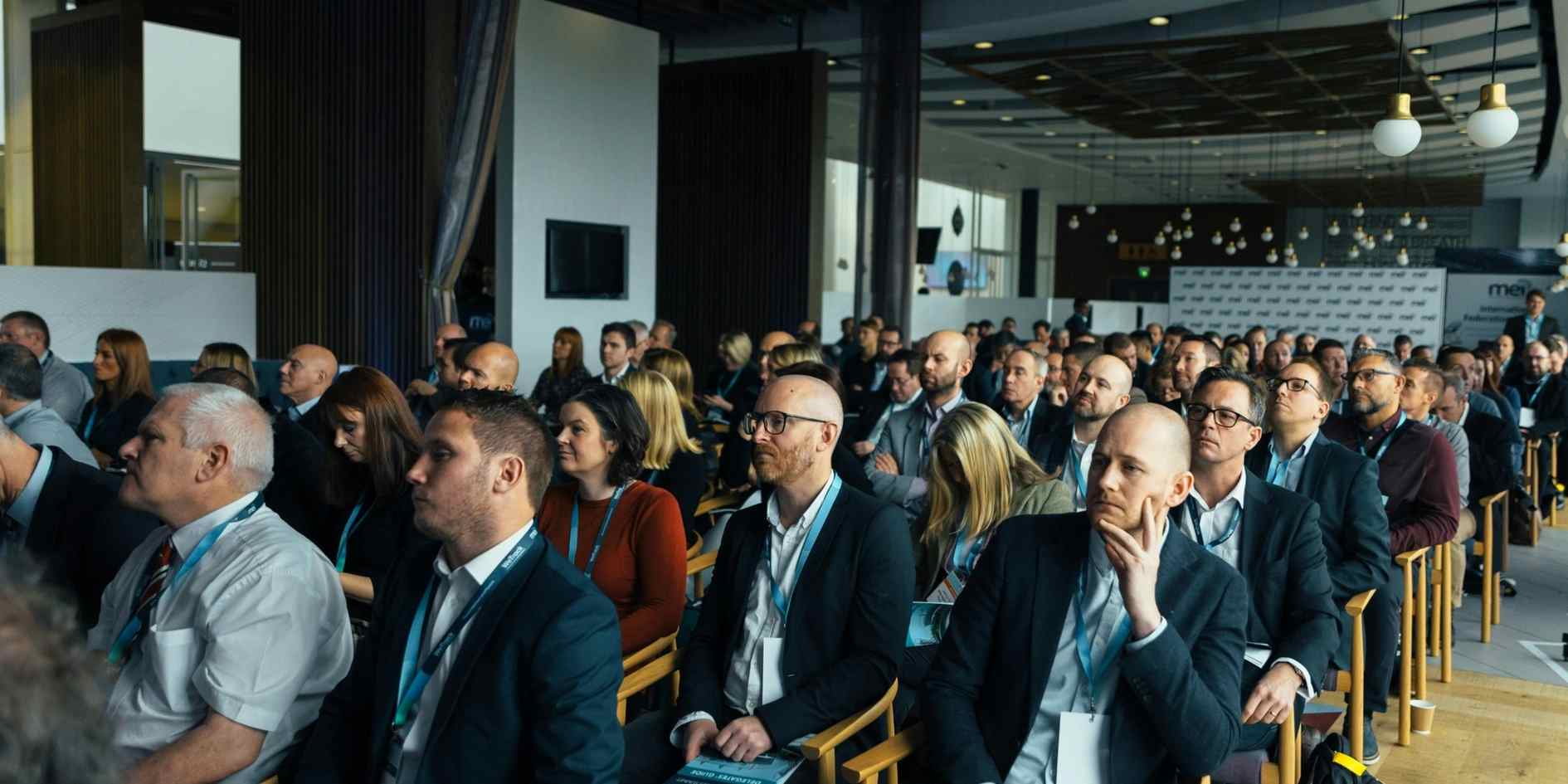
The in-person audience and the virtual audience are watching the same event through entirely different lenses. Great hybrid event production makes both groups feel equally valued and engaged.
AV, Live Streaming, And Broadcast Quality
Professional AV integration is the foundation of live streaming events. The production infrastructure must go far beyond a single static camera at the back of a room. It requires multiple dynamic cameras, professional vision mixing, broadcast-quality streaming, and custom graphics overlays. Site surveys and redundancy planning are critical steps in this process to prevent mid-broadcast dropouts. Pre-event rehearsals ensure that speakers are comfortable with both the physical room and the digital broadcast elements. You can explore more about technical setups in our AV integration overview.
Staging And Set Design For Camera And Room
Onsite event production demands a specific approach to physical staging. The stage must be designed with the camera in mind, rather than just catering to the physical room. Lighting, set design, and speaker positioning drastically affect the final stream quality. If a stage is lit poorly, the digital audience will struggle to engage with the content, regardless of the camera quality. The production team plays a vital role in managing rehearsals, technical run-throughs, and live-day management, ensuring that the visual experience is compelling for everyone watching.
Hybrid Event Technology: Platforms, Tools, And Integration
Technology is the backbone of every hybrid event. Choosing the right stack and integrating it properly is what separates a professional hybrid event company from a patchwork of isolated tools.
Picking The Right Hybrid Event Platform
Selecting a hybrid event platform requires a deep understanding of hybrid conference planning. Key features to look for include live streaming reliability, interactive networking features, virtual breakout rooms, digital sponsor booths, and robust data analytics. Not all software can handle the unique demands of a dual audience. A proven, enterprise-grade platform is essential for delivering stability at scale. MICE Concierge’s use of EventsAir demonstrates the value of relying on a highly tested, comprehensive solution for complex events. You can read more about this on our EventsAir partnership page.
Registration, Badging, And Attendee Management
Event registration technology forms the first impression for every delegate and heavily influences attendee engagement. Pre-event registration systems must manage dual ticketing types while delivering personalised agendas and automated delegate communications. Onsite, the process shifts to efficient badging, fast check-in, and real-time attendee tracking. Connecting the digital registration data to the physical badging process prevents long queues and administrative errors. For deeper insights into these processes, review our resources on pre-event registration, attendee management, and onsite registration and badging.
Event Websites And Apps For Both Audiences
Hybrid event technology must bridge the gap between physical and digital spaces. A dedicated event website acts as the single source of truth for both in-person and virtual delegates. It houses schedules, speaker bios, and critical event updates. Furthermore, mobile event apps provide vital tools for agenda management, networking, live polling, and push notifications. These tools keep both audiences connected and engaged throughout the programme. More information is available in our guides to event websites and event apps.
Event Logistics: The Operation Behind The Scenes
No amount of great technology compensates for poor logistics. A full-service hybrid event company manages every moving part so nothing is left to chance.
Venue Selection And Hybrid-Ready Infrastructure
Effective venue management is the cornerstone of event logistics management. Site selection criteria for hybrid events differ significantly from purely physical gatherings. A venue must possess robust AV infrastructure, exceptionally high internet bandwidth, and layout flexibility to accommodate production desks and cameras. A full-service company conducts rigorous site surveys and technical assessments long before a contract is signed. This ensures the chosen location can actually support the digital demands of the broadcast.
Managing In-Person And Virtual Delegates Simultaneously
Full-service event management requires coordinating the attendee journey for two distinct groups at the exact same time. From the initial arrival and registration to the daily session flow and post-event departure, every touchpoint must be considered. Onsite attendees need clear physical signage and catering, while virtual attendees require digital help desks and engaging break content. Both journeys are managed in parallel, ensuring that neither audience feels neglected or treated as an afterthought during the programme.
Why Organisations Choose A Full-Service Hybrid Event Company?
The case for partnering with one accountable provider is strong. Coordinating multiple specialists often leads to fragmented results and increased stress for the organising team.
One Team, One Brief, One Point Of Contact
Comprehensive full-service event management eliminates the hidden costs of managing multiple vendors. When an organisation hires separate tech, AV, and logistics suppliers, miscommunication thrives. Gaps in responsibility emerge, and last-minute surprises become a frequent occurrence. Having one team, one brief, and one dedicated point of contact resolves these issues entirely. Accountability rests with a single partner who understands the entire scope of the project. You can explore how this works in practice through our project management framework.
Built To Scale — From Small Meetings To Large Congresses
Effective hybrid conference planning must accommodate varying sizes and formats. Virtual and hybrid events can range from an intimate 50-person association meeting to a massive 2,000-delegate international conference. A full-service model scales effortlessly to meet these changing demands. The core principles of production, technology, and logistics remain the same, but the deployment adapts to the size of the audience. Partnering with a company that possesses experience across both ends of that spectrum ensures consistency and reliability, no matter the scale of the event.
What To Look For When Choosing A Hybrid Event Company?
Not all hybrid event companies are equal. Here is a practical checklist for evaluating your options and ensuring you select a capable partner.
Technical Capability And Streaming Reliability
When evaluating live streaming events and hybrid event technology, technical capability is paramount. You must ask potential partners specific questions to gauge their competence. What platforms do they work with regularly? What is their exact redundancy plan if the primary internet connection fails? Can they show concrete examples of broadcast-quality output from recent events? A reliable partner will answer these questions clearly and provide evidence of their technical resilience under pressure.
Full-Service Vs. Technology-Only Providers
Understanding the difference between full-service and technology-only providers is crucial for hybrid event production. Technology-only providers leave a critical gap in planning, physical production, and onsite execution. They supply the digital framework but abandon the physical reality. Genuine end-to-end service covers everything from the initial brief to the final post-event debrief. It encompasses strategy, technical deployment, and physical venue management.
Let’s Plan Your Next Hybrid Event With Mice Concierge!
Delivering a highly successful dual-audience experience requires the three pillars of production, technology, and logistics to work as a unified system. Treating these elements as separate vendor contracts introduces unnecessary risk and compromises the attendee experience. Hybrid events demand specialist expertise to ensure that both the physical room and the digital broadcast operate in perfect harmony. Partnering with a dedicated hybrid event company provides the accountability, scale, and technical reliability needed to execute your vision flawlessly.
MICE Concierge provides the structured support and industry expertise required to bring your event to life. Contact MICE Concierge today to discuss your specific requirements. You can also explore our Virtual & Hybrid services page to see our solutions in action.
Frequently Asked Questions
What Does A Hybrid Event Production Company Do?
They manage the technical and creative elements of a hybrid event — including AV setup, live streaming, staging, platform configuration, and broadcast quality — ensuring both in-person and remote attendees receive a high-quality experience.
How Much Does It Cost To Run A Hybrid Event?
Costs vary significantly depending on scale, technology requirements, and location. Key budget lines typically include venue, AV and streaming equipment, platform licensing, staffing, and delegate management. A full-service provider will give you a consolidated quote across all of these.
What Technology Is Needed For A Hybrid Event?
At minimum you need a reliable streaming setup, a virtual event platform, and stable high-bandwidth internet. Most professional hybrid events also use registration software, a mobile event app, interactive engagement tools, and onsite badging systems.
What Is The Difference Between A Virtual Event And A Hybrid Event?
A virtual event takes place entirely online with no physical gathering. A hybrid event combines a live, in-person audience at a physical venue with remote attendees joining digitally both participating in the same event simultaneously.