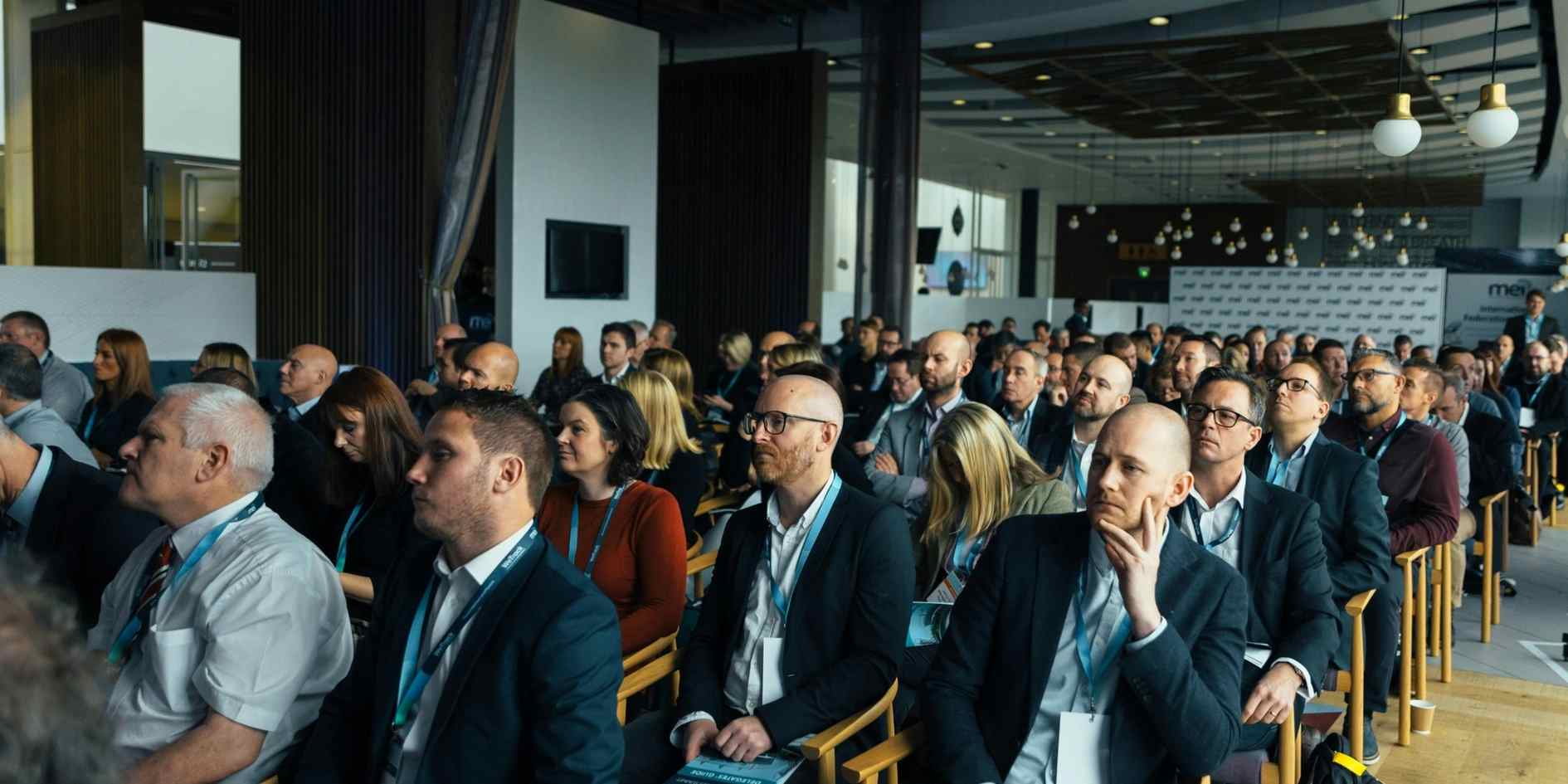
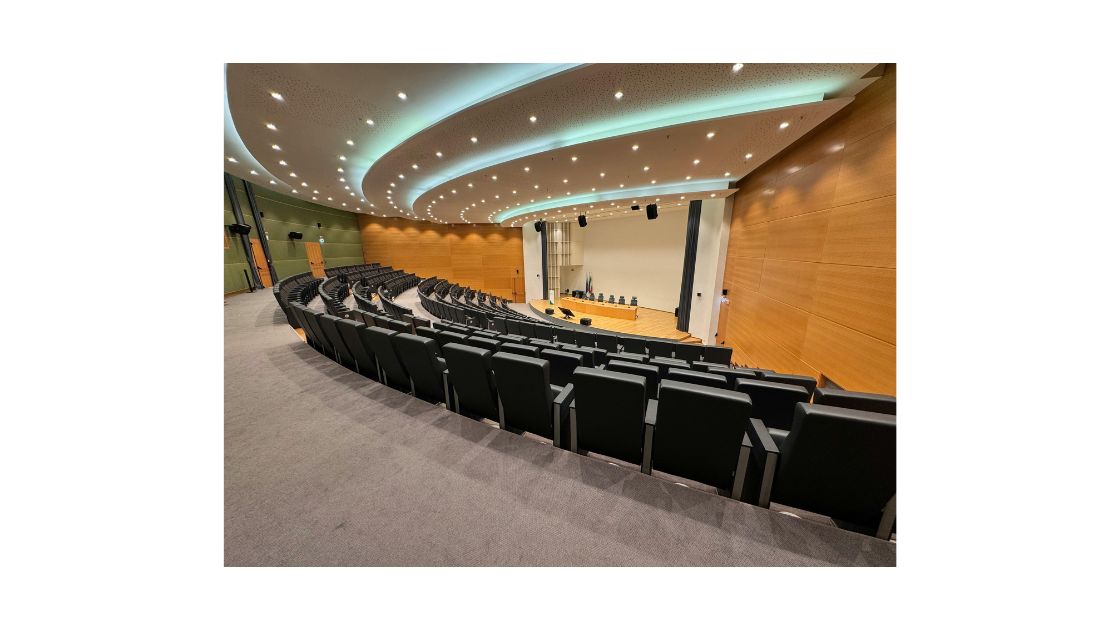
Running a conference is a lot harder than it looks from the outside. There’s the venue, the speakers, the delegate registrations, the badges that need printing at 7am, the accommodation blocks that somehow always have a room missing and that’s before the programme has even started. Getting one piece wrong can affect the experience for every single person in the room.
That’s why organisations across the UK, from medical associations to corporate teams and professional bodies, turn to a professional conference organiser. A PCO takes the weight of planning and delivery off your team so you can focus on what the conference is actually for.
This guide explains what a professional conference organisers UK does, how to choose the right one, and what separates a good PCO from a great one.
What Is a Professional Conference Organiser?
A professional conference organiser (PCO) is a specialist company or individual that plans, coordinates, and delivers conferences on behalf of organisations. They handle everything from delegate registration and venue logistics to onsite management and post-event reporting, acting as an extension of their client’s team throughout.
The term is used interchangeably with “professional congress organiser”, the PCO acronym covers both. A PCO specialises in organising and managing congresses, conferences, seminars, and similar events, typically working as a consultant for academic and professional associations and providing complete service management across all aspects of conference delivery.
PCOs are different from general event agencies. They focus specifically on structured, delegate-led events: annual conferences, scientific congresses, association meetings, and corporate summits. The skillset and the systems they use reflect that specialism.
What Does a Conference Organiser UK Actually Do?
The honest answer is: quite a lot. The scope varies depending on the client and the event, but most professional conference organisers in the UK offer a broad range of services, either as a full package or on a modular basis.
The right PCO acts as an extension of your team, bringing specialist expertise, structure, and consistency while allowing you to remain focused on what you do best. That’s the practical value, not just outsourcing tasks, but gaining a team that already knows what they’re doing.
Here’s what that typically looks like in practice.
Delegate Registration and Attendee Management
Registration is usually the first touchpoint delegates have with your event. A clunky or slow process sets the wrong tone immediately.
A professional conference organiser sets up and manages a delegate registration system that handles sign-ups, payment processing, dietary and accessibility requirements, communications, and waiting lists. They track attendance numbers in real time and keep the data clean, something that matters more than most people realise until a report needs pulling together two days before the event.
They also manage the integrity of your event registration data, which can easily develop errors across a multi-month planning cycle if no one is actively maintaining it.
Conference Production Services
Conference production covers the technical and creative side of how the event comes together, AV, staging, stage management, content scheduling, speaker management, and session flow.
A professional conference organiser provides complete conference event management from start to finish, covering every aspect from planning through to delivery, including logistics, venue liaison, delegate registration, AV production, stage and set design, booking speakers and entertainment, and content creation.
MICE Concierge has a dedicated team for professional conference production services that keeps the programme running on time and the technical side working, so speakers can speak and delegates can learn.
Onsite Check-In and Badging
Onsite check-in is one of those things that looks simple until it isn’t. A queue at the registration desk on day one is genuinely one of the most common complaints from conference delegates and it’s almost entirely avoidable.
A good PCO sets up a check-in system that moves people through quickly, whether that’s self-service kiosks, pre-printed badge collection, or a staffed desk model. They also handle last-minute changes, the delegate who registered last week with the wrong name, the speaker who didn’t pre-register, the no-show list that needs reconciling.
MICE Concierge provides onsite check-in and badge collection as part of its end-to-end service. The goal is simple: doors open, people walk in, badges are correct, queues are minimal.
Congress Accommodation Management
For multi-day events or international congresses, accommodation is a significant piece of the puzzle. Delegates need rooms, often at negotiated rates, with clear booking processes and reliable confirmation.
MICE Concierge manages end-to-end congress accommodation, handling hotel room blocks, delegate booking portals, and liaising with hotels throughout. Done properly, it also gives you useful data on delegate numbers ahead of the event.
Why Do UK Organisations Use a Professional Conference Organiser?
The UK events industry is valued at £68.7 billion, with conferences and business meetings making up the single most valuable sub-sector at £20 billion. That scale reflects how seriously UK organisations take their events and why professional support is now standard practice for anything above a small internal meeting.
In 2025, IAPCO-accredited PCO members organised 23,512 meetings and events worldwide, managing 7,718,808 participants and generating €17.36 billion in economic impact. These aren’t vanity numbers, they reflect the direct commercial and professional value that well-organised conferences generate for associations, businesses, and research communities.
The table below compares the two main approaches organisations take.
| Factor | In-house team only | Professional conference organiser |
| Planning bandwidth | Limited by day-job responsibilities | Dedicated resource from brief to delivery |
| Systems and technology | Generic tools | Specialist event platforms (e.g. EventsAir) |
| Delegate registration | Often manual or patchy | Automated, tracked, and quality-controlled |
| Onsite management | Team stretched across multiple roles | Dedicated onsite team with clear job ownership |
| Risk management | Reactive | Proactive, with documented contingency plans |
| Post-event reporting | Ad hoc | Structured data and delegate feedback analysis |
| Cost control | Harder to benchmark | Supplier relationships and negotiated rates |
One of the often-overlooked benefits of working with a PCO is access to a full team without the associated overheads, ensuring continuity of service even during busy periods or staff absence, and providing the capacity needed to deliver complex events without placing additional strain on internal teams.
How to Choose the Right Conference Organiser UK
Not all PCOs are the same, and the right choice depends on your event type, your sector, and how much of the work you want to hand over.
Do They Know Your Sector?
This matters more than people realise. A PCO with experience in medical or healthcare events understands abstract management, CPD accreditation requirements, pharmaceutical compliance obligations, and the expectations of clinical delegates. One that mostly works in corporate conferences brings a different set of assumptions.
MICE Concierge works specifically with healthcare event companies and professional associations in the UK. If your conference involves regulated content, clinical speakers, or grant funding, sector knowledge isn’t a nice-to-have.
The Association of British Professional Conference Organisers (ABPCO) is the UK’s leading body for PCOs, asking potential PCOs if they are ABPCO members is a useful initial screening step. IAPCO accreditation (the international equivalent) also carries weight for larger or international congresses. Opening-doors
End-to-End vs. Modular Conference Management Services
Some organisations want full-service support. Others only need help with specific pieces, registration, for example, or just onsite delivery.
Conference management services in the UK can be engaged on a full end-to-end basis (covering everything from planning to post-event reporting) or on a modular basis (specific services only). Most established PCOs offer both, so you’re not forced into buying services you don’t need.
Good PCOs are honest about scope. They’ll tell you where a full-service model adds value and where it doesn’t, rather than upselling you into a package you’ll never use.
Technology and Event Management Platforms
The platform your PCO uses has a real impact on the delegate experience and your ability to see data in real time.
MICE Concierge partners with EventsAir, a professional event management platform used for delegate registration, programme management, and reporting. It’s worth asking any prospective PCO what systems they use and what visibility you’ll have into the data.
The Angle Most PCO Articles Miss: Specialist Sector Delivery
Most guides on choosing a professional conference organiser in the UK focus on the obvious stuff, venue sourcing, project management skills, communication. That’s useful, but it leaves out something important.
The real differentiator for associations and professional bodies is whether the PCO understands your event. Not events in general. Yours.
A PCO working with a medical association needs to handle abstract submissions, manage peer review processes, comply with ABPI guidelines if pharma sponsors are involved, and design a programme that earns CPD points. That’s a very specific skillset. Unlike general event planners who might work across weddings, festivals, and private functions, PCOs specialise in conferences and business events, understanding the specific needs of associations, corporates, education and government clients, from programme design and abstract management through to sponsorship fulfilment and CPD requirements. Benevents
MICE Concierge works with professional associations and conference event management across the UK, with experience in medical, scientific, and commercial conference environments. If you’re comparing PCO options, this is the question to ask first: have they worked with an event like yours, and can they show you the outcome?
What Does a Professional Conference Organiser Cost in the UK?
A professional conference organiser in the UK typically charges either a fixed management fee, a percentage of the total event budget (usually 10–20%), or a day-rate model for modular services. Costs vary significantly based on event size, duration, and the services required. Most PCOs will provide a detailed scope and quote following an initial briefing.
The more useful framing is cost vs. risk. The UK events industry generates £42.3 billion annually and supports 700,000 jobs, with conferences and meetings driving the largest share. Against that context, the cost of a delegate-experience failure, poor logistics, registration errors, overrun sessions, is significantly higher than the PCO fee.
Corporate spending on events in the UK is projected to reach £2 billion in 2025, reflecting a growing trend towards hosting conferences, seminars, and product launches. That investment needs a delivery partner who can protect it.
How to Design a Conference Delegates Will Actually Attend Again
Logistics are necessary, but they’re not what makes a conference worth attending. The content, the format, the networking opportunities, and the overall experience all contribute to whether delegates return next year.
MICE Concierge has written in detail about designing a conference that delegates actually enjoy, from programme structure to the details that most planning checklists overlook. A professional conference organiser with the right experience will push you on these questions, not just manage the logistics.
In 2026, sustainability is no longer optional, delegates, stakeholders, and partners increasingly expect environmentally conscious events, and the role of a conference organiser includes helping clients minimise environmental impact while still delivering an exceptional experience. Julia Charles Event Management
Finding the Right Professional Conference Organisers UK
The UK events industry is large, competitive, and still growing. The sector employs approximately 775,000 people and generates around 85 million event attendances every year. Within that landscape, professional conference organisers UK occupy a specific and important role, turning complex multi-stakeholder events into experiences that work for everyone in the room.
The right professional conference organiser UK isn’t just a logistics provider. They’re a delivery partner who understands your sector, protects your budget, keeps your delegates happy, and makes the whole process considerably less stressful for your team.
MICE Concierge provides professional conference organiser services across the UK, with specialist experience in delegate registration, onsite check-in and badging, congress accommodation, conference production, and association event management. If you’re planning a conference and want to talk through what support would actually look like, get in touch with the MICE Concierge team.
Frequently Asked Questions About Professional Conference Organisers UK
What Is The Difference Between A Professional Conference Organiser And An Event Planner?
A professional conference organiser (PCO) specialises in structured delegate events, conferences, congresses, annual meetings, and professional seminars. An event planner works across a broader range of event types, including corporate hospitality, weddings, and brand experiences. PCOs typically have deeper expertise in registration systems, abstract management, CPD accreditation, and association governance, making them the more appropriate choice for professional or academic events in the UK.
Do I Need A Professional Conference Organiser For A Small Event?
Not always, but the threshold is lower than most people assume. If your event involves external delegates, paid registration, a formal programme, or compliance obligations (such as ABPI guidelines for pharma-sponsored events), a PCO adds real value, even at 50 to 100 attendees. For internal meetings or smaller team events, a general event coordinator may be sufficient.
What Does ABPCO Mean, And Should My PCO Be A Member?
ABPCO is the Association of British Professional Conference Organisers, the UK’s primary trade body for PCOs. Membership signals a commitment to professional standards and a peer-reviewed level of service quality. For events that involve significant budget, delegate-facing complexity, or reputational risk, choosing an ABPCO member is a sensible baseline requirement.
How Far In Advance Should I Engage A Professional Conference Organiser?
For a conference with 200 or more delegates, most experienced PCOs recommend engaging them at least 9 to 12 months before the event date. This allows enough time to set up registration, manage abstract submissions if applicable, secure the right venue, and build the delegate communications programme properly. Shorter lead times are workable but they limit your options.
Can a PCO manage online event registration as well as onsite delivery?
Yes. The best PCOs manage both as a single joined-up system. Online event registration for your congress should feed directly into your onsite check-in process, so delegate data is accurate and consistent from first sign-up to badge collection on the day. Gaps between those systems are where errors creep in.