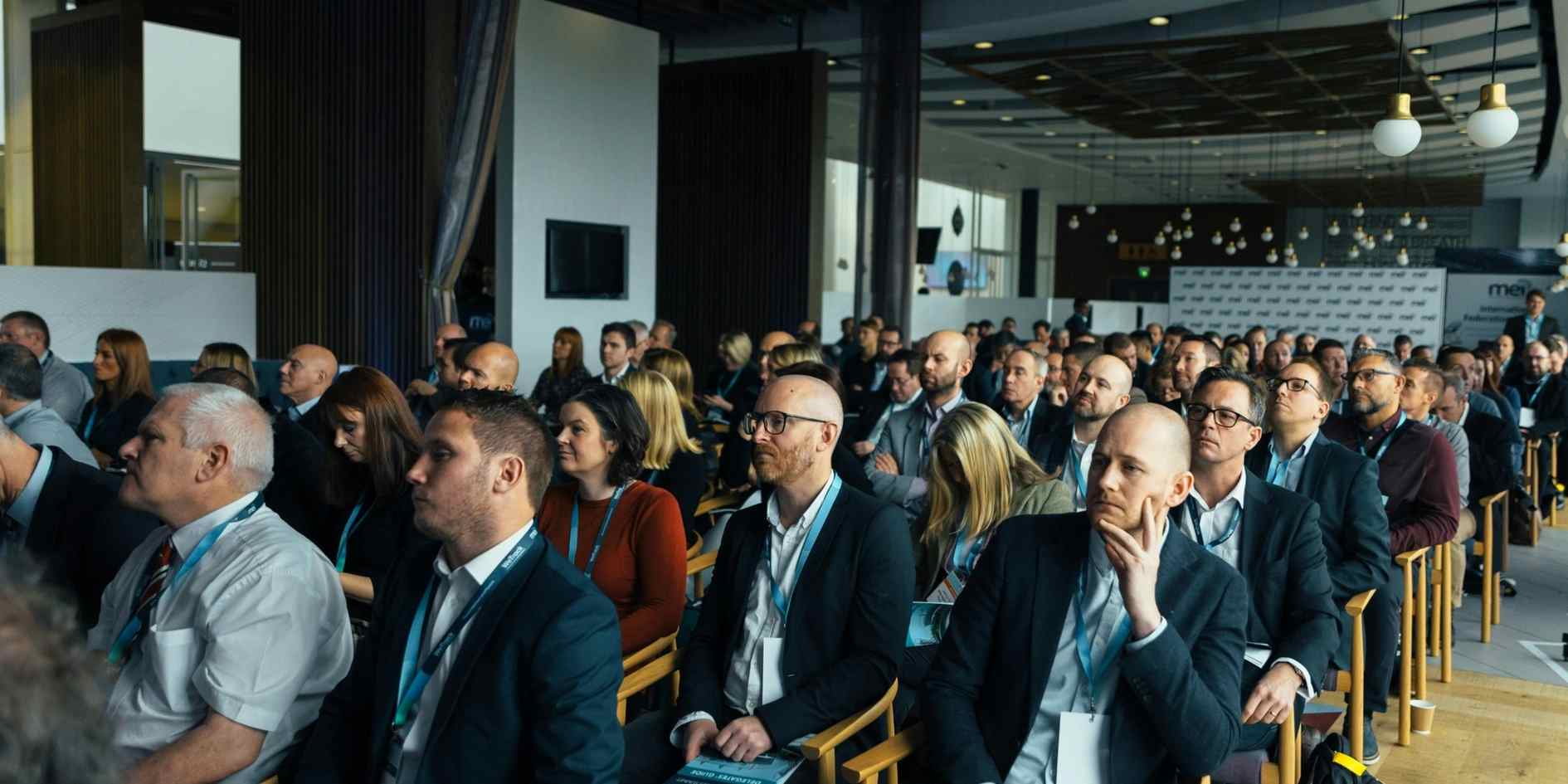
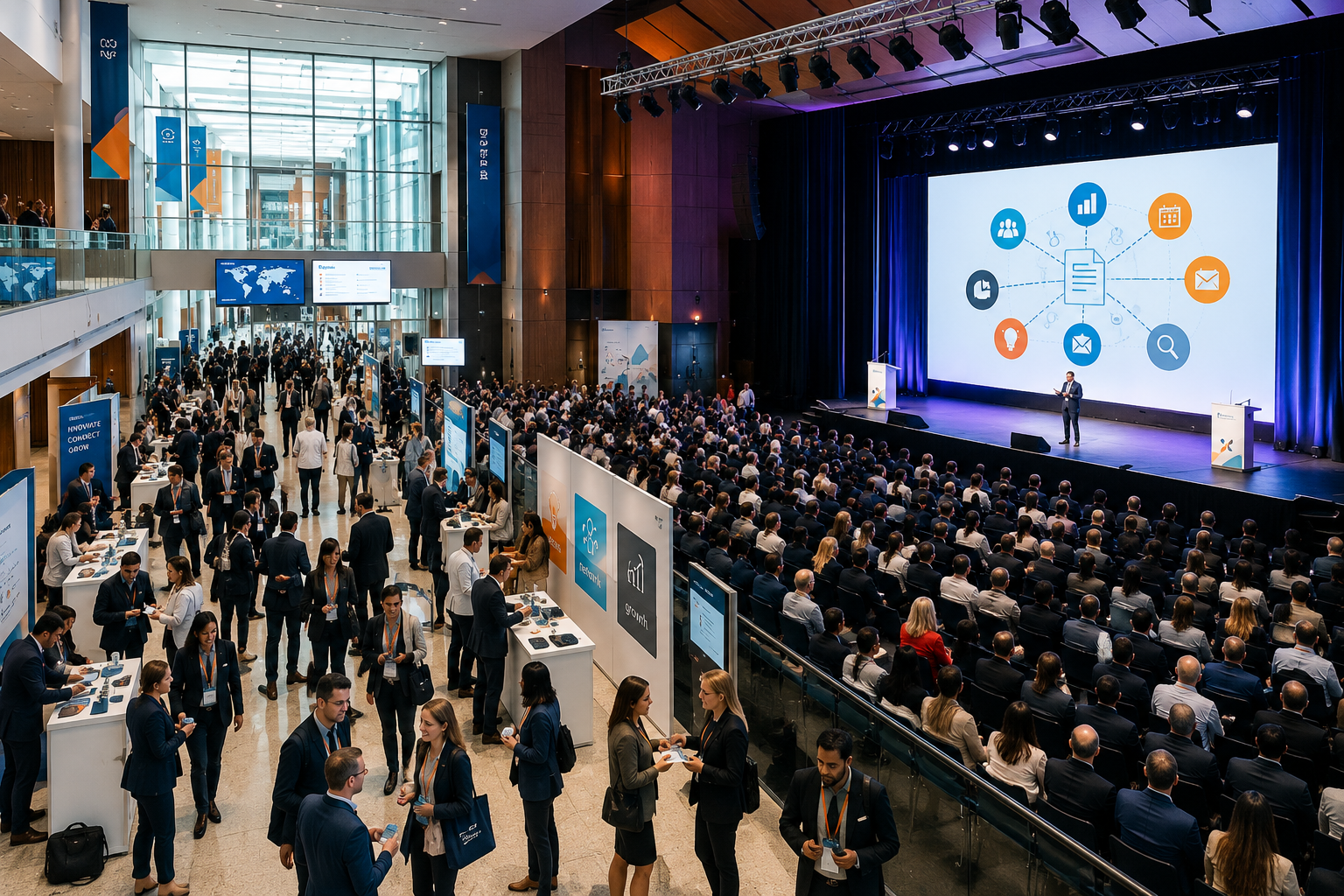
Putting together a schedule, booking a venue, and arranging catering will certainly result in an event, but it will not guarantee a memorable experience. For delegates travelling across the country, or the globe, to attend, a successful conference requires far more than basic logistics. It demands strategic design.
A meticulously designed event aligns business objectives with delegate expectations. When you prioritise the attendee journey, you facilitate meaningful networking, enhance learning, and elevate brand perception. Every touchpoint, from the initial registration process to the post-event follow-up, plays a pivotal role in the overall success of your event.
This guide provides a comprehensive framework for designing a conference that delegates genuinely value. By shifting the focus from standard event management to purposeful conference design strategy, you can create an environment that delivers measurable ROI and leaves a lasting, positive impression on every attendee.
What Does “Designing A Conference” Really Mean?
Reframing your approach from simply organising logistics to intentionally crafting an experience is the foundation of strategic conference planning. It is about defining the outcomes you want to achieve and building the event backwards from those goals.
Conference Planning vs. Conference Design
Conference planning typically focuses on the operational elements: securing the venue, managing the budget, and coordinating audiovisual requirements. These are essential tasks. However, conference design focuses on the human element. It involves mapping the attendee journey, understanding cognitive load, and structuring the environment to encourage interaction. Design dictates how the event feels, whilst planning ensures it actually happens.
Why Strategic Conference Design Matters For ROI
If attendees leave feeling exhausted rather than inspired, the event has not delivered a strong return on investment. Strategic conference design directly impacts your key metrics. By implementing robust attendee engagement strategies, you improve knowledge retention and satisfaction scores. Furthermore, a highly engaging delegate experience enhances brand perception, increasing the likelihood of repeat attendance and stronger sponsor renewals in subsequent years.
Step 1: Define Your Conference Strategy And Objectives
Before securing a venue or reaching out to speakers, you must establish a clear conference design strategy. Every subsequent decision should support these foundational objectives.
Identify Clear Goals For Brand, Revenue, Networking, And Education
Determine the primary purpose of your business conference planning efforts. Is the core objective to generate revenue, launch a new product, or facilitate industry networking? For membership-led organisations and association events, the priorities may lean more heavily towards education, governance, community building, and retention. Clearly defining your goals allows you to allocate time, budget, and resources more effectively.
Understand Your Target Audience And Personas
You cannot design an engaging experience if you do not know who is in the room. Build detailed attendee personas. Understand their pain points, their reasons for attending, and their preferred learning styles. For instance, C-suite executives may prefer high-level networking and concise keynotes, whilst technical specialists might find more value in deep-dive workshops and hands-on demonstrations.
Align Stakeholders And Success Metrics
Ensure that your internal team, sponsors, and key stakeholders agree on what constitutes a successful event. B2B events might measure success by the number of qualified leads generated. Conversely, an international medical conference might focus on the volume of abstract submissions and educational credits awarded. Industry bodies such as ICCA also reinforce the value of long-term impact, knowledge exchange, and destination fit when shaping international meetings.
Step 2: Build A High-Impact Conference Agenda
Conference agenda planning is a delicate balancing act. You want to provide immense value without overwhelming your delegates.
Structuring Sessions For Engagement And Flow
A successful programme maintains momentum. Start the day with a high-energy keynote to set the tone, follow up with interactive breakout sessions, and schedule heavier, data-driven presentations for the morning when focus is highest.
Balancing Keynotes, Panels, And Networking
Variety is essential for maintaining attention. Alternate between solo presentations, panel discussions, and interactive roundtables. Crucially, do not treat networking as an afterthought. Dedicated networking sessions are often one of the main reasons professionals attend MICE events.
Avoiding Agenda Fatigue And Cognitive Overload
Back-to-back sessions lead to burnout. Build generous breaks into your timeline. A 15-minute transition is rarely enough time for delegates to use the facilities, check their emails, and grab a coffee. Allow 30 to 45 minutes for morning and afternoon breaks. Consider parallel tracks so attendees can tailor their learning, preventing them from sitting through content that is irrelevant to their roles.
Step 3: Design The Attendee Experience
Event experience design separates a standard meeting from an exceptional conference. It requires putting yourself in the shoes of your delegates at every stage of the event lifecycle.
Mapping The Attendee Journey From Pre-Event To Post-Event
The delegate experience begins the moment they receive an invitation and continues long after they return home. Ensure your registration journey is seamless and intuitive. Strong event marketing and communications can build anticipation before the event, reduce confusion during it, and sustain engagement afterwards.
Designing Networking Opportunities That Actually Work
Forcing delegates into an empty hall with a cup of coffee is not a networking strategy. Facilitate connections through structured activities. Consider braindate sessions, industry-specific roundtables, or guided matchmaking using event technology.
Creating Memorable Moments And Touchpoints
Incorporate elements of surprise and delight. This could be a wellness lounge, an interactive installation tied to your industry, or exceptionally curated local cuisine. These touchpoints humanise the event and create moments people genuinely remember.
Step 4: Conference Layout, Venue, And Spatial Design
The physical space dictates how delegates interact with the content and with each other. Exploring thoughtful conference layout ideas is vital for a smooth operation.
Choosing The Right Venue For Your Goals
Your venue must align with your event’s tone, technical needs, and delegate expectations. A historic building might offer prestige for an executive summit, whilst a modern convention centre provides the infrastructure required for a large-scale technology conference. A specialist venue finding service can also help you weigh logistics, location, contract terms, and delegate convenience more strategically.
Flow, Wayfinding, And Space Utilisation
Confusing layouts create immediate frustration. Implement clear, highly visible signage and intuitive wayfinding. Position catering stations strategically to draw delegates into exhibition areas, and ensure there is adequate seating in common areas for impromptu meetings.
Designing For Comfort, Accessibility, And Interaction
Conference accessibility should be a priority from day one. Ensure ramps, lifts, accessible toilets, and quiet spaces are considered early, not added later. Digital touchpoints matter too, especially registration pages, event apps, and session resources, and guidance from the W3C Web Accessibility Initiative is a useful benchmark. Use seating arrangements that foster interaction, such as cabaret or lounge-style setups, rather than defaulting to traditional theatre rows.
Step 5: Integrating Technology And Hybrid Conference Planning
Event technology should eliminate friction, not create it. When executing hybrid conference planning, tech becomes the bridge between your physical and virtual audiences.
Event Apps, Networking Tools, And Ai Matching
A robust event app can centralise the agenda, speaker bios, session resources, venue maps, and live interaction tools. It also gives organisers better visibility into engagement patterns across the day.
Designing For Hybrid And Virtual Attendees
Hybrid events require two distinct but connected experiences. Do not simply livestream a stage and expect virtual attendees to remain engaged. Effective virtual and hybrid event support includes dedicated moderation, strong production values, virtual networking opportunities, and content formats designed for remote participation.
Common Technology Mistakes To Avoid
Avoid tech overkill. Do not force attendees to download multiple platforms to take part. Ensure your venue has scalable Wi-Fi capable of handling several devices per delegate, as poor connectivity can derail even the best onsite plans.
Step 6: Conference Branding And Theming
Effective conference branding goes far beyond placing a logo on a lanyard. It is about creating a cohesive environment.
Creating A Cohesive Visual Identity
Your visual identity should be consistent across the event website, registration portal, stage design, wayfinding, and digital assets. This builds trust and reinforces the professional quality of the conference.
Storytelling Through Design
Use your physical space to reflect the story of your organisation, sector, or annual theme. Lighting, stage design, content framing, and signage should all support the same central message.
Sponsor Integration Without Disrupting The Experience
Sponsors want visibility, but delegates do not want to feel like they are walking through a sales tunnel. Integrate sponsors naturally by allowing them to host value-led spaces, such as a coffee lounge, charging station, or educational workshop.
Step 7: Conference Logistics And Execution
With the design in place, flawless logistics ensure the vision becomes reality.
Vendor Management And Coordination
Managing AV teams, caterers, venue staff, and specialist suppliers requires meticulous coordination. Provide clear briefing documents so every supplier understands not just the schedule, but the purpose behind the event design.
Registration, Arrival, And Onsite Flow
First impressions matter. Efficient onsite registration and badging can reduce queues, lower stress levels, and create a more polished arrival experience. If you are reviewing the wider accommodation experience too, this is also a good place to reference your own blog on Golden Rules for Congress Accommodation, especially for multi-day or destination events.
Risk Management And Contingency Planning
Always have a backup plan. What happens if a keynote speaker falls ill? What if the internet fails? What if a supplier misses a delivery window? A robust planning framework should include contingencies for technical failures, staffing gaps, travel disruption, and schedule changes.
Step 8: Measuring Success And Building A Post-Event Strategy
The event is not over when the final delegate leaves. Post-event analysis is critical for continuous improvement and stronger long-term outcomes.
Key Metrics For Engagement, Roi, And Satisfaction
Analyse attendance numbers, app engagement rates, session popularity, dwell time, sponsor outcomes, and delegate satisfaction. Compare these metrics directly against the goals established at the start.
Feedback Collection And Analysis
Send post-event surveys promptly while the experience is fresh in delegates’ minds. Keep surveys concise and focused. The best insights often come from combining quick quantitative measures with one or two open-text questions.
Extending The Conference Lifecycle
Repurpose recorded sessions into on-demand content, publish key takeaways, and keep attendees engaged through follow-up content and community touchpoints. If sustainability is part of your event strategy, frameworks such as ISO 20121 from BSI, the Event Industry Council Sustainable Event Standards, and the Net Zero Carbon Events initiative can help shape more consistent long-term planning. This also aligns well with broader goals around responsible growth and the UN Sustainable Development Goals.
Common Mistakes In Designing A Conference
Even experienced professionals can fall into familiar traps when organising a conference.
- Overloading the agenda: Leaving no room to breathe results in exhausted, disengaged delegates.
- Ignoring attendee experience: Focusing entirely on logistics whilst forgetting about comfort, flow, and emotional response.
- Poor networking design: Hoping people will connect naturally rather than facilitating the right conditions.
- Tech overkill: Introducing complicated tools that create confusion rather than simplifying the event.
- No clear ROI measurement: Failing to establish success metrics beforehand, making it difficult to prove value later.
Why Work With A Professional Conference Planning Partner
With so many moving parts to coordinate, an event’s success depends on the smooth management of every component. From large-scale international conferences to focused industry roundtables, working with specialists can reduce risk and improve delivery quality.
Strategic Expertise Vs. Diy Planning
An experienced event partner brings years of practical insight, identifying issues before they become problems. That strategic support helps ensure the logistics serve the broader goals of engagement, learning, and brand impact.
Global Reach And Supplier Network
A specialist team often brings established relationships with venues, suppliers, AV partners, and service providers, which can help improve efficiency and unlock better-fit solutions.
Seamless Execution And Cost Efficiency
At MICE Concierge, we offer flexible support across strategy, technology, logistics, and delegate services. Whether you need full-service delivery or help with specific operational pressure points, we can step in where it matters most.
Designing A Conference That Balances Logistics And Experience
Designing a conference that delivers real impact requires more than logistics. It takes clear strategy, thoughtful delegate experience design, strong operational planning, and the right support behind the scenes.
If you want help shaping a conference that is smoother to run and more valuable for attendees, get in touch with MICE Concierge to discuss your event strategy.
Frequently Asked Questions
How Long Does It Take To Plan A Conference?
Typically, it takes between 3 to 12 months depending on the scale, location, and complexity of the event. International conferences require the longest lead times to account for travel and venue availability.
What Makes A Conference Successful?
A successful conference delivers high attendee engagement, positive ROI for sponsors and organisers, and excellent attendee satisfaction scores.
How Do You Create An Engaging Conference Agenda?
Balance different formats (keynotes, panels, workshops), schedule generous breaks, and facilitate structured networking to prevent cognitive overload and fatigue.
What Is The Difference Between Conference Planning And Design?
Conference planning focuses on the operational logistics (venues, catering, AV), whilst conference design focuses on the strategy, attendee experience, and measurable outcomes.
How Much Does It Cost To Organise A Conference?
Costs vary drastically depending on the size of the audience, the prestige of the location, event tech requirements, and production values. A clear budget must be established early in the planning phase.